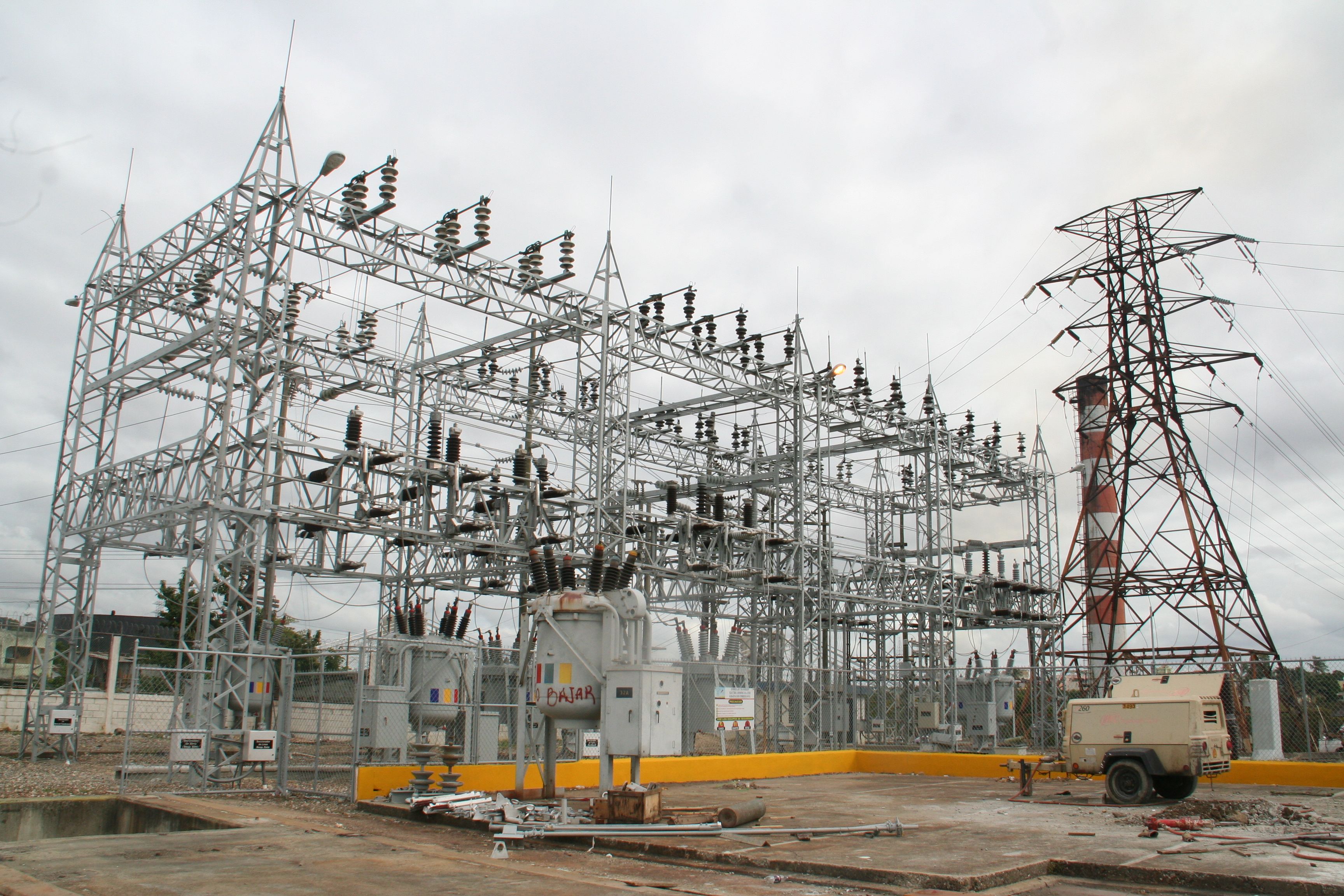
SUBSTATION
At PowerGrid Solutions, we specialize in designing, constructing, and maintaining state-of-the-art electrical substations that form the backbone of power distribution networks. Our team of certified engineers and technicians brings decades of expertise in delivering comprehensive substation solutions for utilities, industrial facilities, and renewable energy projects. From compact distribution substations to large transmission substations, we ensure reliable power transformation and distribution with uncompromising safety and efficiency standards.
Whether you need a new substation installation, capacity expansion, equipment replacement, or modernization of aging infrastructure, our team delivers customized solutions tailored to your specific requirements. We specialize in both air-insulated switchgear (AIS) and gas-insulated switchgear (GIS) substations, offering solutions that optimize space, reduce environmental impact, and enhance operational reliability. Trust us to deliver substation projects that meet the highest industry standards and regulatory compliance while ensuring long-term performance and value.
FUNCTIONALITY
Electrical substations serve as critical nodes in power transmission and distribution networks, transforming voltage levels for efficient power delivery. Our substations incorporate advanced transformers, switchgear, protection systems, and control equipment to manage power flow, isolate faults, and ensure grid stability. Equipped with sophisticated monitoring and control systems, our substations can operate autonomously or be remotely managed through SCADA systems, enabling real-time monitoring of equipment status, load conditions, and system performance to maintain reliable power supply to end consumers.
Technical Specifications
| Parameter | Specification |
|---|---|
| Voltage Ratings | 11kV to 765kV (distribution to transmission class) |
| Transformer Capacity | 5MVA to 500MVA (customizable based on requirements) |
| Switchgear Type | Air Insulated (AIS) or Gas Insulated (GIS) options |
| Control System | IEC 61850 compliant with advanced SCADA integration |
| Fault Clearance Time | Less than 100ms for critical faults |
| Protection Level | IP54 (outdoor equipment), IP65 (control panels) |
| Equipment Brands | Siemens, ABB, Schneider, GE, Toshiba, Hyundai, Crompton |
| Communication Protocols | IEC 61850, DNP3, Modbus, IEC 60870-5-103/104 |
| Control Features | Auto-reclosing, load shedding, voltage regulation, synchro-check |
| Material | Galvanized steel structures, concrete foundations, copper/aluminum busbars |
| Additional Features | Digital twin technology, predictive maintenance, renewable integration |
Benefits
- Reliable Power Distribution: Ensures consistent voltage transformation and distribution, minimizing power disruptions and maintaining grid stability across vast service areas.
- Enhanced Grid Resilience: Provides critical infrastructure for fault isolation and system protection, preventing cascading failures and enabling rapid service restoration.
- Optimized Power Transmission: Reduces transmission losses through efficient voltage transformation, resulting in cost savings and improved overall system efficiency.
- Scalable Infrastructure: Modular designs allow for capacity expansion and technological upgrades to meet growing electricity demand and evolving grid requirements.
- Renewable Energy Integration: Facilitates seamless integration of solar, wind, and other renewable energy sources into the main grid, supporting energy transition goals.
- Advanced Monitoring Capabilities: Real-time data collection and analysis enable predictive maintenance, reducing downtime and extending equipment lifespan.
- Regulatory Compliance: Designed to meet national and international standards, ensuring safe operation and avoiding compliance-related penalties.
Applications
- Utility Power Networks: Essential for transmission and distribution systems operated by national and regional power utilities, ensuring reliable electricity delivery to consumers.
- Industrial Complexes: Provides dedicated power transformation and distribution for manufacturing facilities, refineries, and large-scale industrial operations with high power demands.
- Renewable Energy Farms: Connects solar, wind, and hydroelectric power generation facilities to the transmission grid, facilitating clean energy distribution.
- Urban Infrastructure: Supports power distribution in metropolitan areas, commercial districts, and residential developments with growing electricity needs.
- Transportation Networks: Powers railway systems, metro networks, and electric vehicle charging infrastructure, enabling sustainable transportation solutions.
- Data Centers: Provides reliable power transformation and backup for critical IT infrastructure that requires uninterrupted power supply with precise voltage regulation.
- Mining Operations: Delivers high-voltage power to remote mining sites and processing facilities, often with specialized requirements for harsh environments.
- Specialized Facilities: Supports unique power requirements for hospitals, research facilities, military installations, and other critical infrastructure.
Manufacturing Excellence
- Precision Engineering: Utilizes advanced CAD/CAM systems and simulation tools for optimal substation layout and component design.
- Quality Fabrication: Employs automated manufacturing processes for steel structures, control panels, and busbar assemblies with strict dimensional tolerances.
- Modular Construction: Implements pre-fabricated, skid-mounted solutions for rapid deployment with minimal on-site assembly time.
- Component Integration: Integrates transformers, switchgear, protection relays, and control systems from leading manufacturers with seamless compatibility.
- Custom Solutions: Develops specialized substations for unique applications including mobile units, compact urban installations, and harsh environment deployments.
Quality Assurance
- Design Verification: Comprehensive review of engineering drawings, calculations, and simulations to ensure compliance with international standards.
- Material Inspection: Rigorous testing of raw materials including steel, copper, aluminum, and insulating components to verify quality and specifications.
- Factory Acceptance Testing: Complete functional testing of all substation components and systems before shipment to ensure proper operation.
- Site Acceptance Testing: On-site testing and commissioning of installed equipment to verify proper integration and performance under actual operating conditions.
- High Voltage Testing: Comprehensive insulation resistance and dielectric testing at specified voltage levels to ensure safe and reliable operation.
Key Features
Advanced Voltage Transformation
High-efficiency transformers with on-load tap changers for precise voltage regulation across varying load conditions.
Comprehensive Protection Systems
Multi-layered protection schemes with differential, distance, and overcurrent relays for rapid fault detection and isolation.
Intelligent Control Systems
IEC 61850 compliant automation with advanced HMI for real-time monitoring and control of all substation operations.
Flexible Configuration Options
Customizable layouts and equipment selections to optimize space, cost, and performance for specific site requirements.
Remote Monitoring Capabilities
SCADA integration with secure remote access for real-time monitoring, control, and diagnostics from anywhere.
Environmental Adaptability
Designed for operation in extreme weather conditions with specialized cooling, heating, and corrosion protection systems.
Renewable Energy Integration
Advanced control algorithms for seamless integration of variable renewable energy sources with grid stabilization features.
Predictive Maintenance
AI-powered analytics for condition monitoring and predictive maintenance, reducing downtime and extending equipment life.
Enhanced Safety Features
Comprehensive safety systems including arc flash protection, interlocking mechanisms, and advanced grounding systems.
Energy Storage Integration
Seamless integration with battery energy storage systems for load shifting and grid support services.
Cybersecurity Protection
Advanced security protocols and network segmentation to protect critical infrastructure from cyber threats.
Why Choose PowerGrid Solutions
PowerGrid Solutions is a trusted leader in substation engineering and construction, renowned for innovative designs and uncompromising quality standards.
Engineering Excellence
Our team of specialized substation engineers designs solutions that optimize performance, reliability, and lifecycle costs.
Premium Components
We source equipment from leading global manufacturers, ensuring highest quality and reliability for critical infrastructure.
End-to-End Service
From feasibility studies and design to construction, commissioning, and maintenance, we provide comprehensive project support.
Sustainable Solutions
Our substations incorporate eco-friendly designs with reduced environmental impact and enhanced energy efficiency.
Global Standards
Our substations comply with international standards including IEC, IEEE, ANSI, and local regulatory requirements.
Industry Leadership
With over 25 years of experience and hundreds of successful projects, we are recognized as substation specialists.
Frequently Asked Questions
We design and construct various types of substations including transmission substations (66kV to 765kV), distribution substations (11kV to 33kV), collector substations for renewable energy projects, mobile substations for temporary applications, and specialized substations for industrial facilities. Our solutions include both air-insulated switchgear (AIS) and gas-insulated switchgear (GIS) configurations depending on space constraints and environmental requirements.
The timeline for substation construction varies based on size, complexity, and equipment availability. Typically, a medium-sized distribution substation (33/11kV) takes 6-9 months from design to commissioning, while larger transmission substations may require 12-24 months. Factors affecting timeline include land acquisition, permitting, equipment delivery schedules, and site accessibility. We provide detailed project timelines during the planning phase and employ advanced project management techniques to ensure timely delivery.
Yes, we offer comprehensive maintenance services for existing substations regardless of original manufacturer. Our maintenance programs include routine inspections, preventive maintenance, condition monitoring, emergency repairs, equipment replacement, and system upgrades. We also provide specialized services like thermography, oil analysis for transformers, relay testing, and calibration of protection systems. Our maintenance solutions are designed to maximize reliability, extend equipment life, and minimize operational costs.
Absolutely. We specialize in retrofitting existing substations to accommodate renewable energy integration. This includes adding specialized equipment for solar or wind power connection, implementing advanced control systems for managing variable generation, installing energy storage solutions, and upgrading protection schemes. Our engineers ensure seamless integration while maintaining grid stability and compliance with interconnection standards. We can also design hybrid substations that optimally manage conventional and renewable power sources.
Our digital substations incorporate multi-layered cybersecurity measures following IEC 62351 standards and industry best practices. These include network segmentation with firewalls, encrypted communication protocols, secure authentication mechanisms, intrusion detection systems, and regular security audits. We implement physical security measures alongside digital protections and provide comprehensive cybersecurity training for operational staff. Our solutions are designed to protect against evolving cyber threats while maintaining operational reliability and system performance.